Decision-Readiness
The Clarity Problem
Most strategic plans stop at Level 1 Clarity — a vision, a direction, a destination. That’s necessary, but it isn’t enough.
Level 2 Clarity, or Decision-Readiness, means knowing the destination, what needs to move, and the measurable results that confirm progress — and it’s what gives leadership teams the ability to act with confidence, and quickly, when conditions shift.
That speed matters more than it used to. Strategic plans once ran on five-year cycles. Technology-driven organizations shortened that to three years because change was already outpacing a five-year plan. AI has accelerated that pace further — plans built today have to hold up under a rate of change that didn’t exist even a few years ago.
Speed without confidence is chaos. Confidence comes from a plan designed the right way from the start: the outcome stays fixed, while the actions that get you there stay flexible enough to adjust when conditions change. Strategy Works Consulting saw this play out directly with the University of Houston–Clear Lake: their strategic plan had just been rolled out when the pandemic hit. Because the plan’s outcomes were clear and its action plans were built to flex, UHCL was able to adjust quickly — minimizing disruption to staff and student services — without having to rebuild the strategy itself.
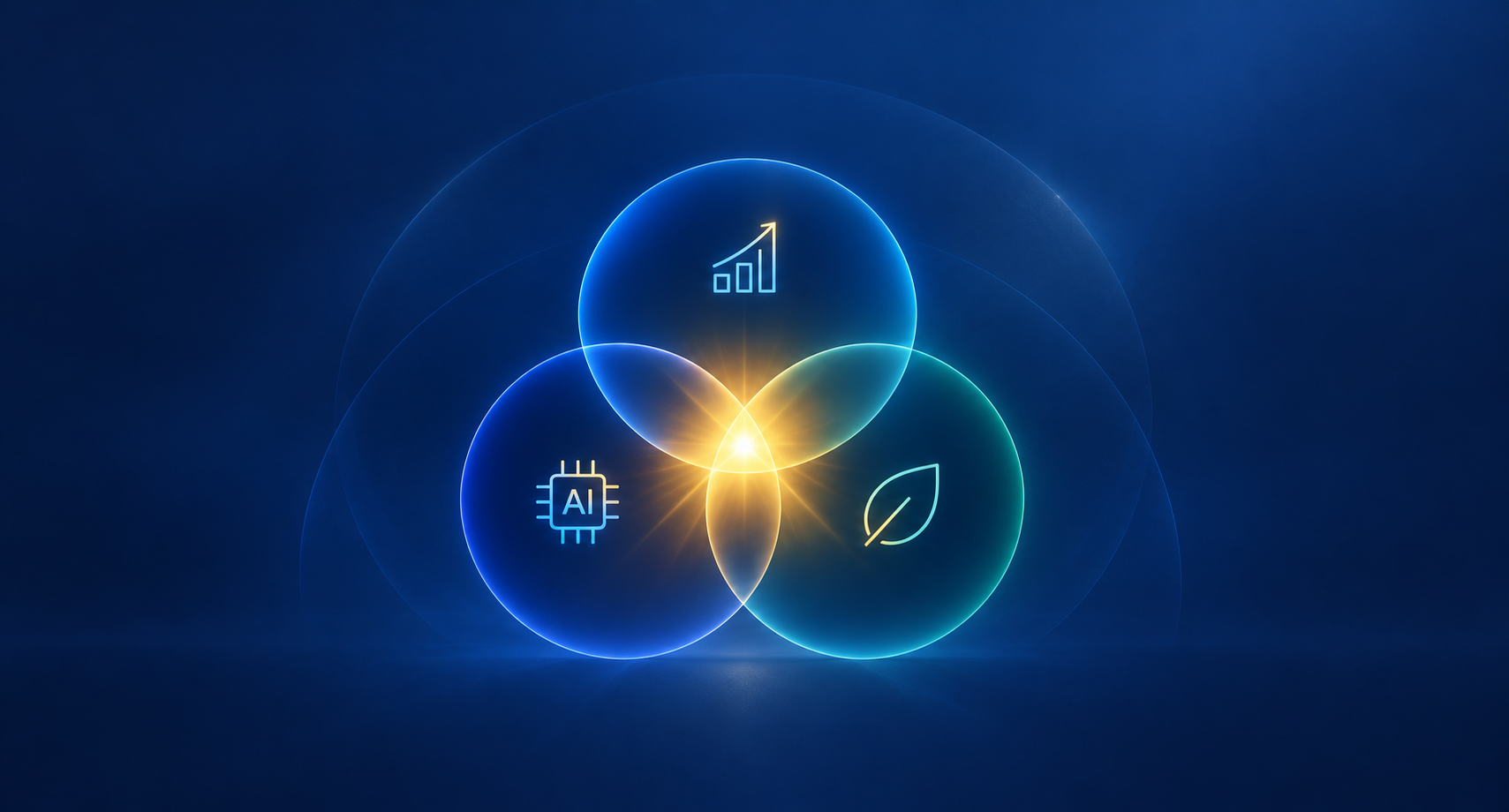
The Triple Squeeze makes this kind of Decision-Readiness increasingly necessary, because leaders often have to act before the uncertainty clears.